
Cold or warm
Mustard is already processed cold and warm with FMZ. Temperature, valve and product feed are matched to the specific recipe.
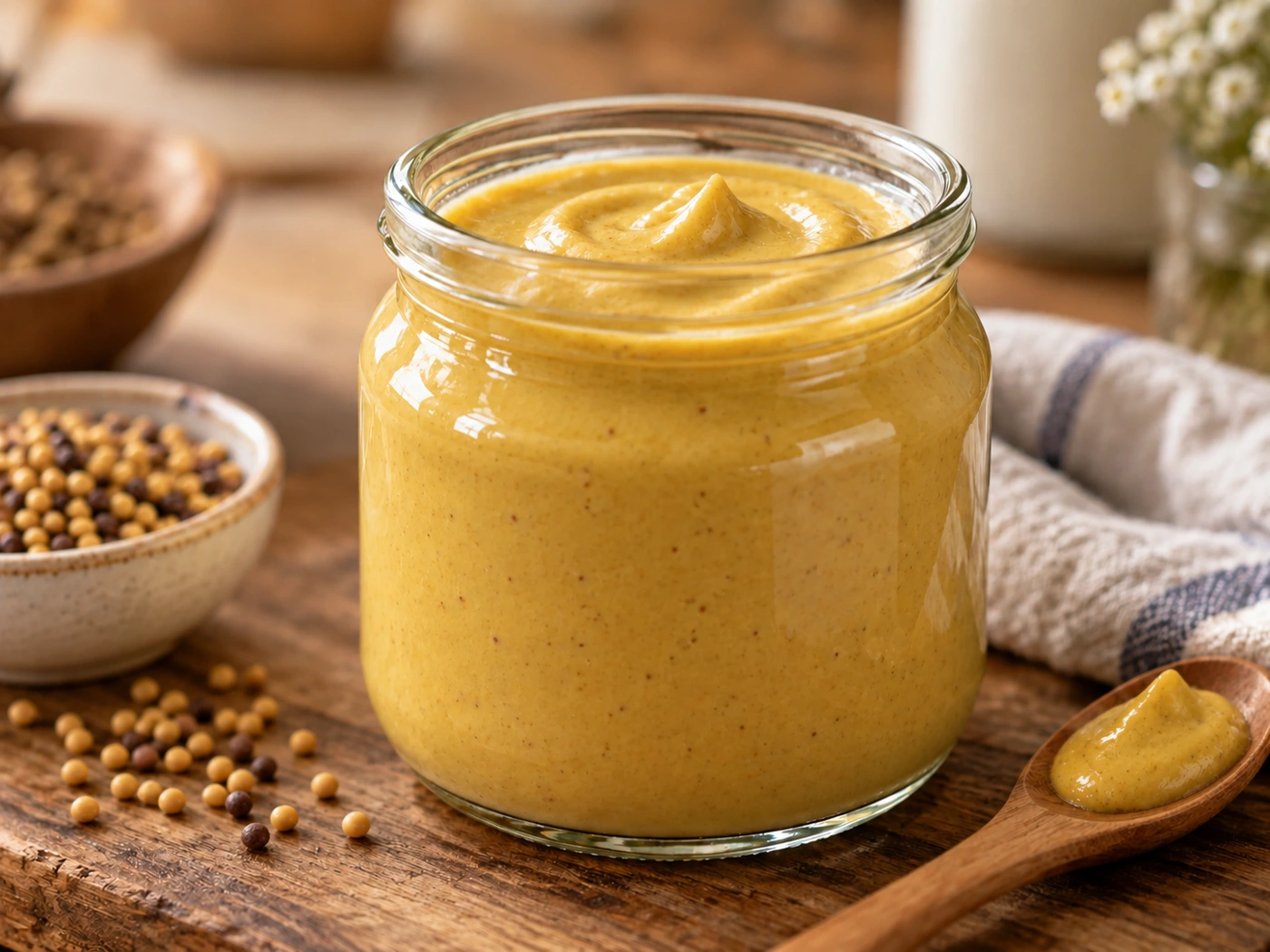
Filling mustard
FMZ filling machines are already used for mustard products – both cold and warm. The right configuration depends on the specific recipe.
ILLUSTRATIVE IMAGE
For your mustard recipe
Mustard is already filled cold and warm with FMZ machines. For your application, we consider recipe, consistency, ingredients and actual filling temperature. This determines the right combination of product feed, dosing and valve.
What matters for your product
Mustard is already processed cold and warm with FMZ. Temperature, valve and product feed are matched to the specific recipe.
Viscosity, seeds and other ingredients determine pumping behaviour and the right equipment.
Weigh the test fill and enter the actual weight. Dosing is adjusted to the particular process.
Matched to production
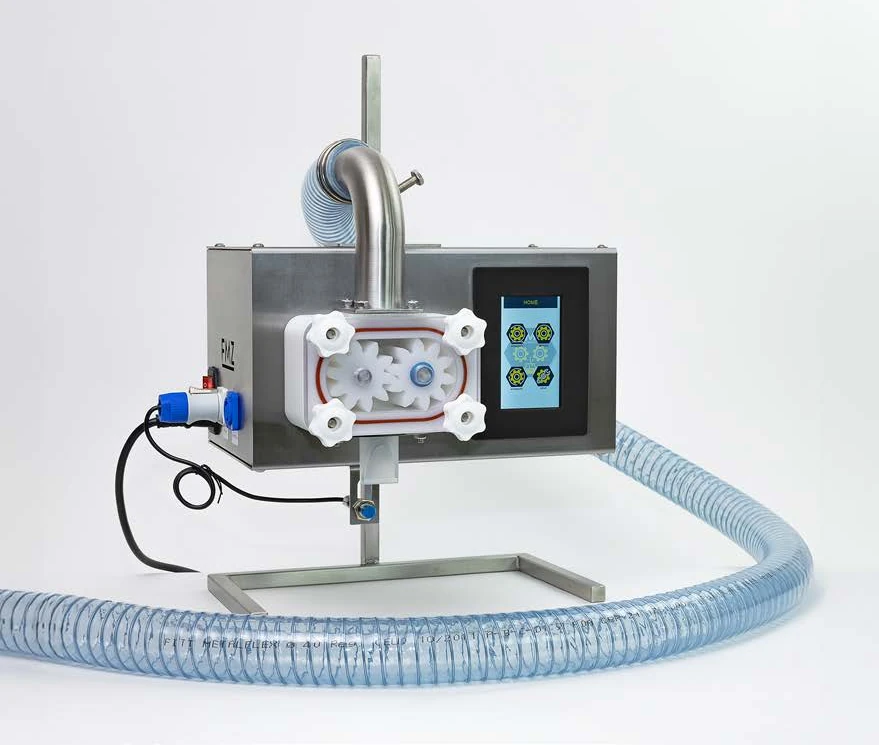
Dose suitable viscous foods. Set the fill quantity and calibrate using actual weight.
Explore the filling machine
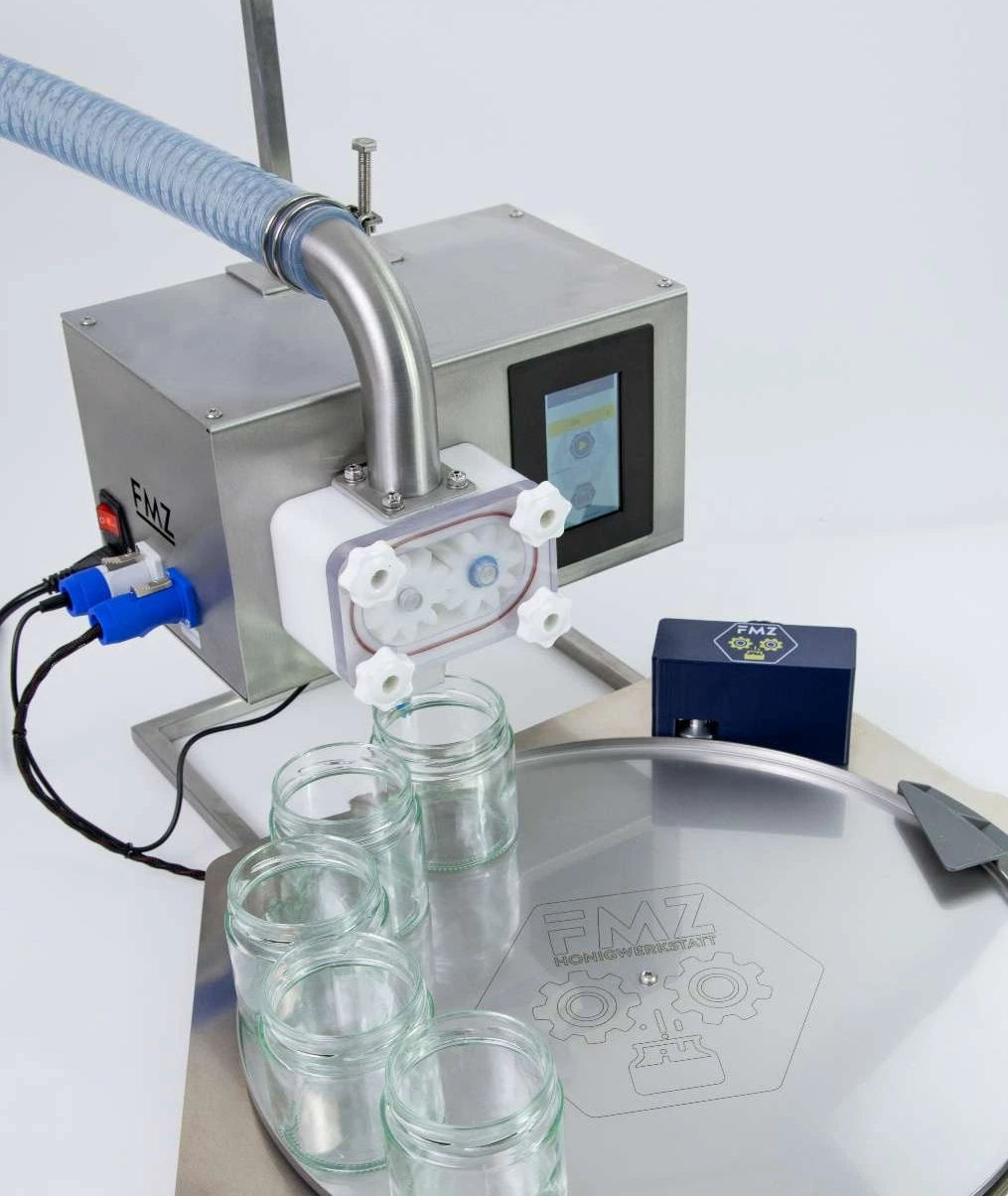
DT45 for the worktop or DT80 as a mobile unit. Controlled by the FMZ filling machine.
Compare DT45 and DT80Shown: DT45 with filling machine.
Describe not just the variety but also the ingredients: are the seeds finely ground, coarsely cracked or whole? Does the recipe contain herbs, skins or other solids? The largest piece dimensions, texture and proportion are important for assessment.
State the actual temperature at the filling point. It may differ from the temperature in the preceding production step. Hose, seals and valve must suit this temperature; clarify the permitted limits with FMZ before selection.
Two mustard recipes may look similar in a bucket but behave differently when pumped. Record whether the product flows by itself, forms strings, contains air or becomes noticeably firmer during the batch. A trial with the original recipe and intended container is more informative than transferring results from another variety.
Weigh several fills and also assess ingredient distribution in the jar. The right net weight alone does not tell you whether your desired grain size and product structure are retained. Document temperature, settings and valve so that an accepted trial can later be repeated under comparable conditions.
Observe the start and end of dosing too: is the product directed into the jar opening? Does product remain on the rim or valve? Do jar height and alignment suit the filling point? Suck-back can support a clean finish. Check its setting with your recipe and observe whether the jar rim stays clean during changes.
Pump head, hose and valves must be accessible for cleaning. When switching between mustard and other products, a visibly clean exterior is not enough. Plan cleaning of the entire product-contact path according to your operational hygiene procedures. Dishwasher suitability of individual pump head parts does not replace checking your cleaning process.
State the recipe type, solid ingredients, actual filling temperature, required net weight and batch size. Add a product photo and the dimensions of the jar opening and jar. Also describe whether mustard will be fed from a bucket, another container or directly from the production process.
Have suitability for your recipe and the required equipment confirmed. Product compatibility, temperature and the machine's operating conditions must align for your application.
Your application
We need your filling temperature, required fill quantity and ingredient details. This lets us specify a concrete setup, rather than treating the product name alone as approval.